Cybersecurity · National Security · Strategic Risk
Rachel E. Tenney
Cybersecurity executive and former defense intelligence officer bringing an adversarial perspective to cyber risk, emerging technology, and executive decision-making.
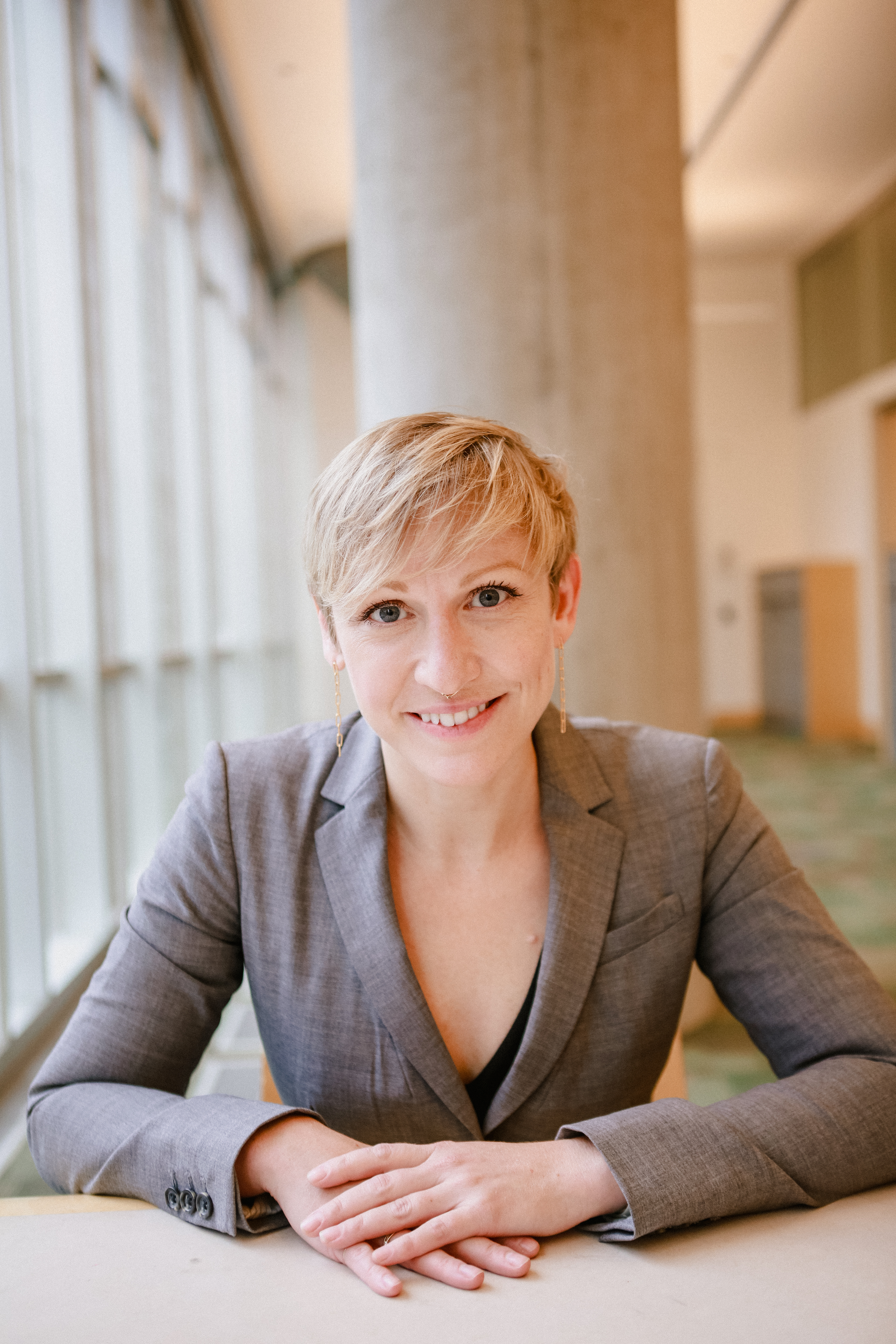
Cybersecurity executive and former defense intelligence officer bringing an adversarial perspective to cyber risk, emerging technology, and executive decision-making.
“What are we protecting, who wants it, and what happens if we get this wrong?”
Rachel began her career in U.S. defense intelligence, where she developed expertise in adversary analysis, strategic warning, and executive decision support. She later brought that tradecraft into cybersecurity—leading work across threat intelligence, insider risk, security operations, cyber governance, and emerging-technology protection.
Threat assessment, strategic warning, analytic rigor, and translating complex intelligence into decisions leaders can act on.
Governance, incident response, insider risk, third-party risk, security operations, and enterprise security culture.
Connecting technical facts to business consequences, national-security implications, and practical decisions.
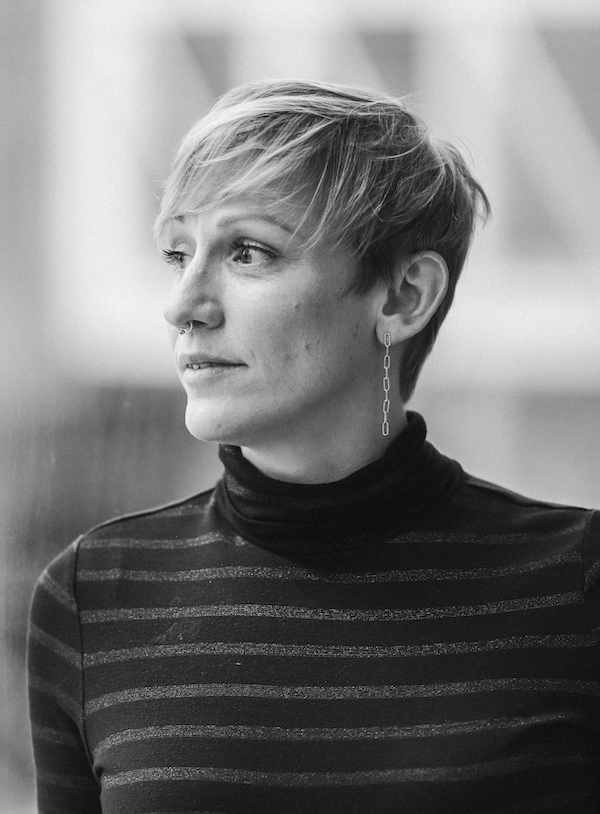
Available for media commentary, podcasts, panels, keynotes, and executive discussions on cybersecurity, national security, intelligence, emerging technology, and cyber governance.
An intelligence lens on cyber events: who is the adversary? What do they want? What capability does the compromise create? What should leaders do next?
Advisory work focused on the risks leaders are most likely to underestimate—not commodity security services.
Independent assessment of governance, escalation, third-party exposure, incident readiness, and strategic risk.
Adversary-driven analysis for organizations supporting sensitive missions, critical technology, or government customers.
Decision support that translates cyber complexity into priorities, accountability, and action.
Cybersecurity governance, risk, compliance, security awareness, and cross-functional risk leadership.
Incident-response maturity, global investigations, operational metrics, workflows, and security-operations strategy.
Led up to seven security engineering teams and helped shape client-facing security advisory capabilities.
Designed and operated a counterintelligence and insider-risk program protecting quantum-computing intellectual property and sensitive assets.
Counterterrorism intelligence, ISIS subject-matter expertise, strategic warning, and decision support for senior U.S. national-security leaders.